
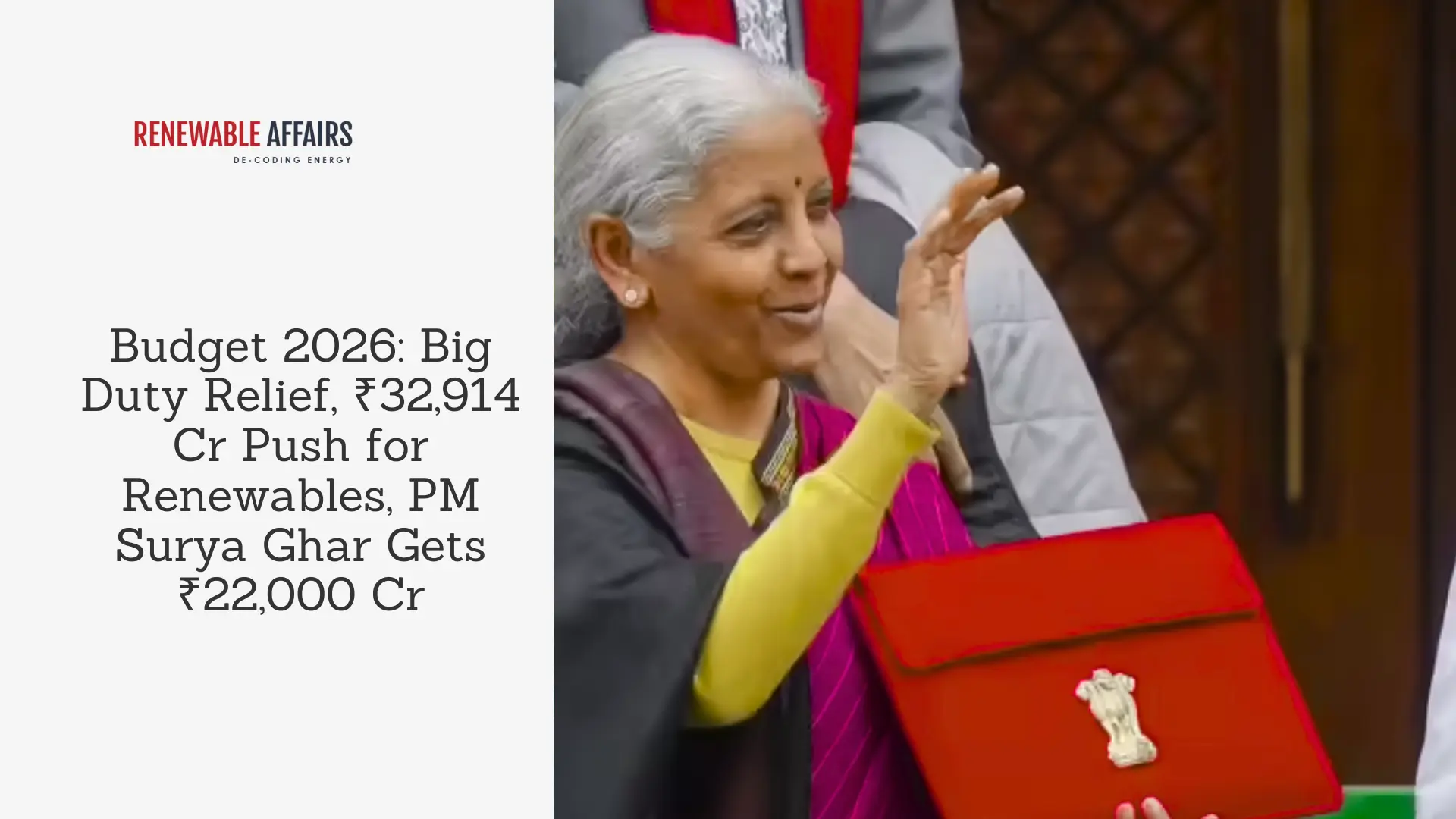
The Union Budget for 2026-27 was presented by Finance Minister Nirmala Sitharaman on February 1. It seems like there is a real push here toward clean energy and getting more manufacturing done at home, along with some attention to regional development.
A lot of the big announcements cover things like renewable energy sources, battery tech, biogas setups, infrastructure projects, and even tourism boosts.
One thing that stands out is how they are extending the exemption on basic customs duties for capital goods. These are the machines and stuff used in making lithium-ion cells for battery storage.
Similar breaks on duties apply to importing sodium antimony, which goes into producing solar glass. That should cut down costs for making solar panels right here in the country.
Then there is relief on customs duties for equipment that processes critical minerals domestically. It feels like a move toward self-reliance, especially when it comes to materials needed for shifting to cleaner energy.
Biogas Gets Excise Duty Relief
The budget is trying to push for cleaner fuels. It makes sense because they are leaving out the whole value of biogas when figuring out the excise duty on that CNG mixed with biogas.
This move should help get more people using biogas instead of just sticking with fossil fuels all the time. Wider adoption, yeah, that is the goal, even if it takes a while to see the results. Dependence on those old fuels might drop off a little.
Renewable Energy Allocation Jumps 30%
The Budget raised the renewable energy sector allocation to ₹32,914.7 crore, which is a 30% increase from the revised estimates of ₹25,301.22 crore for 2025–26. This shows that the government is continuing its strong support for renewable power, grid expansion, and domestic manufacturing. In the last Union Budget, the allocation for the renewable energy sector was ₹26,549.3 crore, with the majority of the outlay being on energy storage and manufacturing-linked incentive schemes.
PM Surya Ghar Scheme Gets ₹22,000 Crore
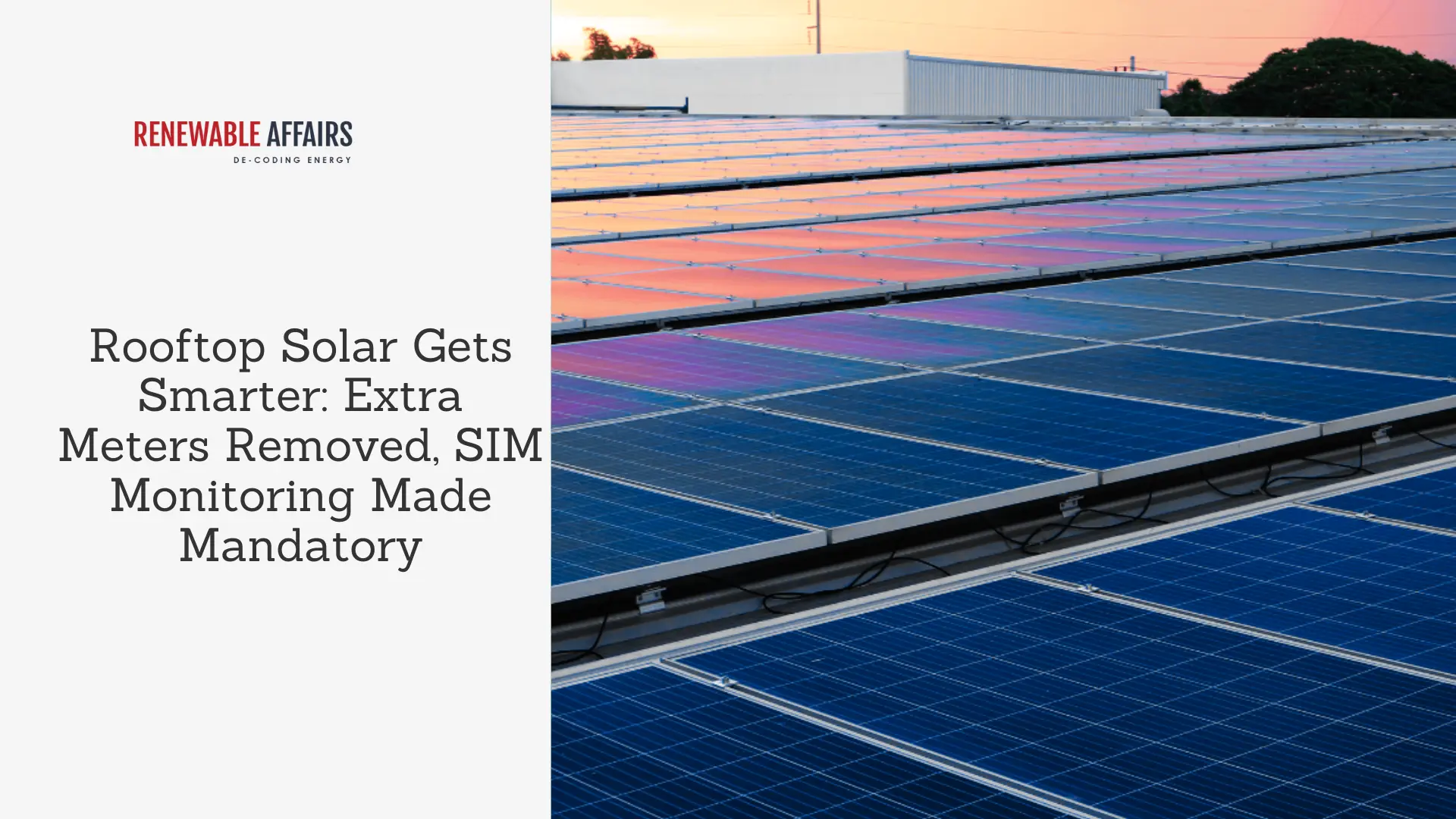
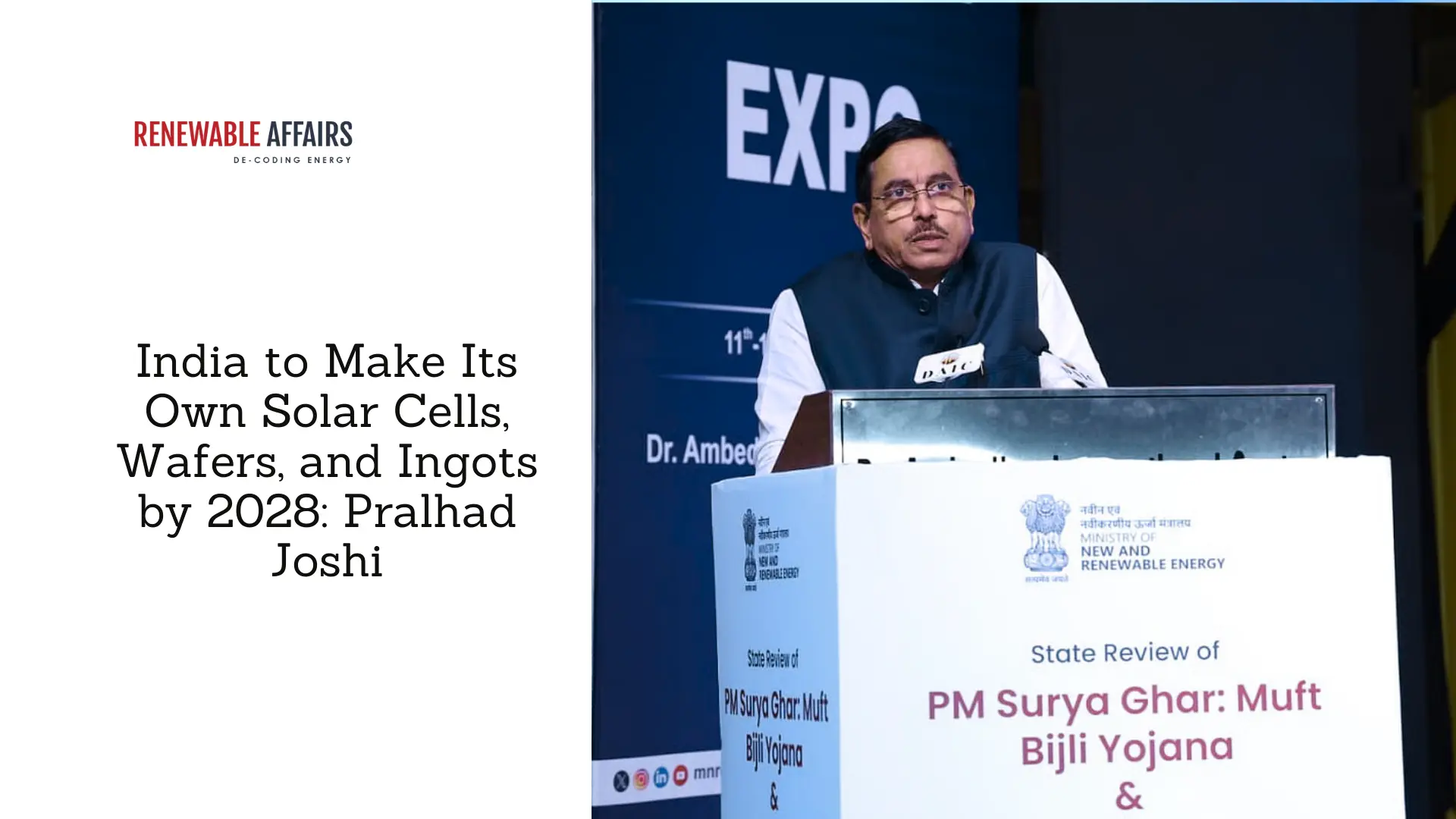
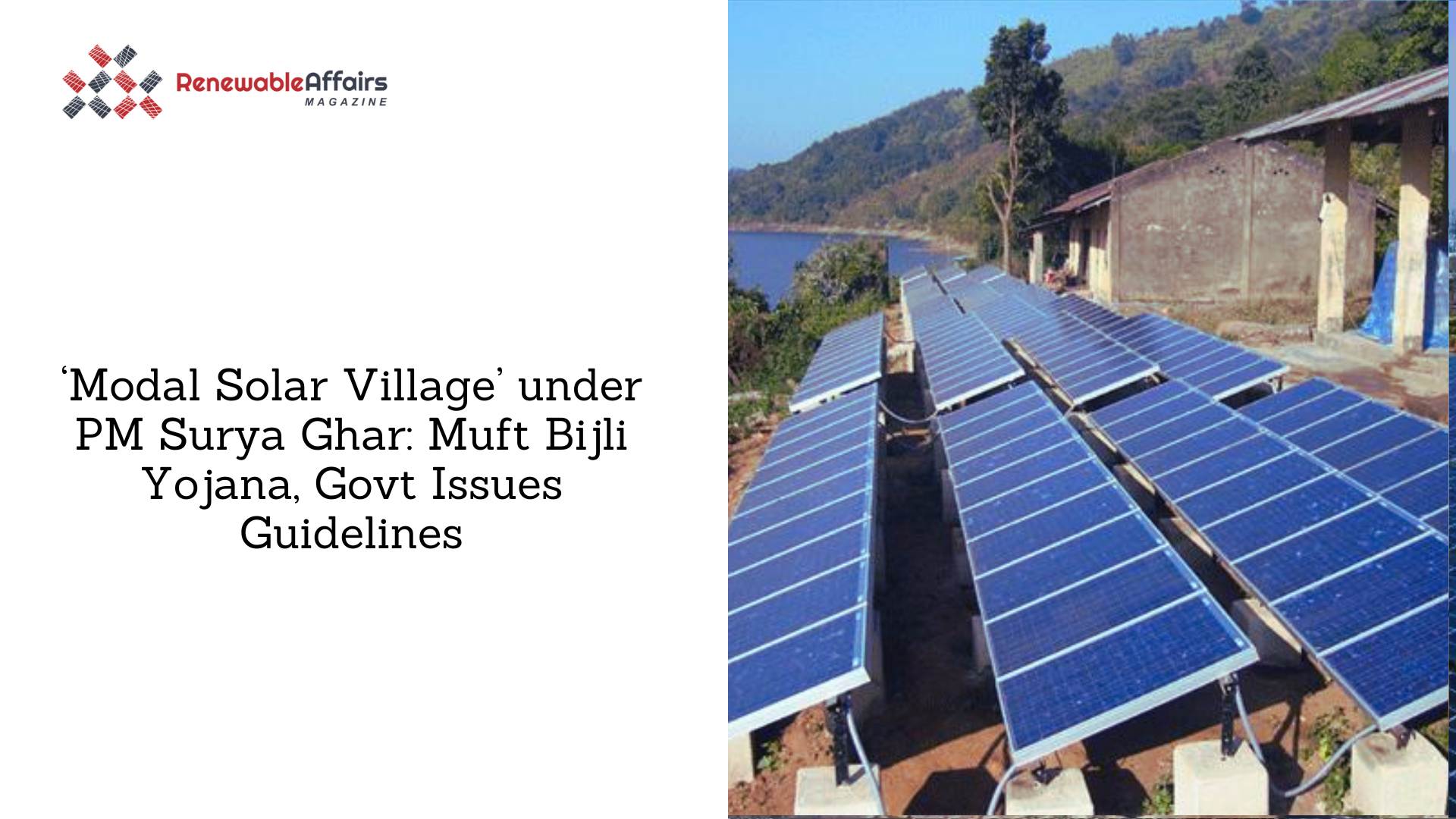
The Pradhan Mantri Surya Ghar: Muft Bijli Yojana has seen a increment in the Budget 2026, with an allocation of ₹22,000 crore. This is an increase from last year’s budget estimate of ₹20,000 crore, with a 10% increase. Taking into account the revised estimate of ₹17,000 crore for 2025-26, the allocation is 29% higher. The rooftop solar program remains an important initiative in the promotion of solar energy in residential areas and the subsequent reduction in electricity bills for households.
Focus on Grid, Storage, and Energy Integration
The increased budget allocation will also help in the development of large-scale renewable energy projects, expansion of the transmission network, energy storage systems, and improved integration of renewable energy into the grid. The increased transmission budget has become important, as new solar and wind energy projects are being developed in particular regions, leading to the need for faster expansion of the grid.
East Coast Corridor and Northeast Development
Regarding regional development, the Budget announced an integrated East Coast Industrial Corridor, with Durgapur being an important node. The Northeast region will also be given special focus, including the introduction of 4,000 electric buses, the development of Buddhist tourist sites, and the establishment of five new tourism sites in the Poorvodaya states.
Carbon Capture and Industry Support
The Budget has also allocated ₹20,000 crore for carbon capture incentives to help industries cut carbon emissions. Renewable energy firms, such as ReNew Power, have also sought support for high capital expenditure and local manufacturing. The government will address these requirements through budgetary support and existing policies.
Encouraging Local Manufacturing
As part of customs duty reform, the Budget has proposed the abolition of exemptions on products that are already being domestically manufactured in India or require very few imports. The government aims to promote local manufacturing and reduce dependence on imports.
Source














































































































































































































































































0 Comments