
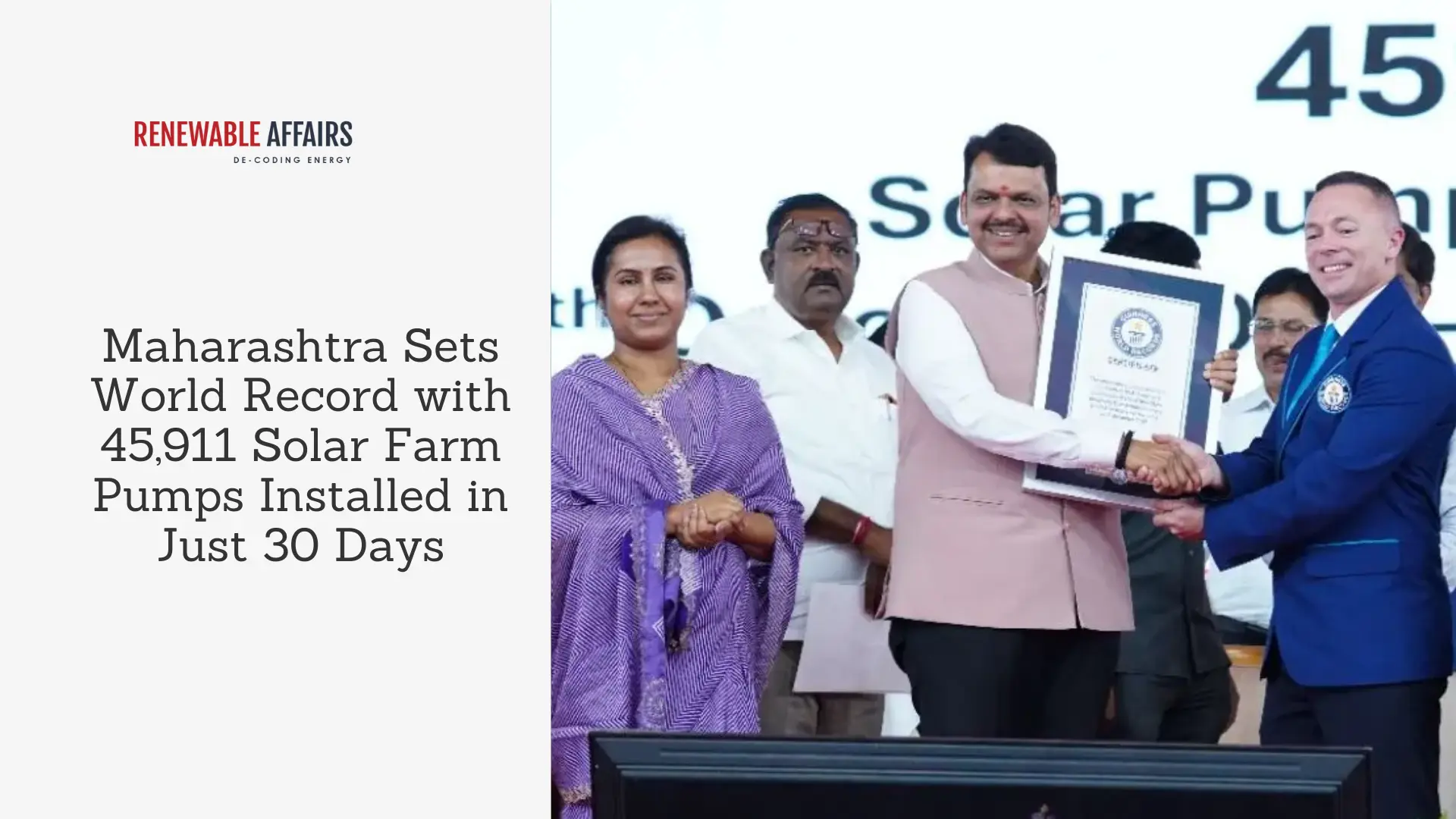
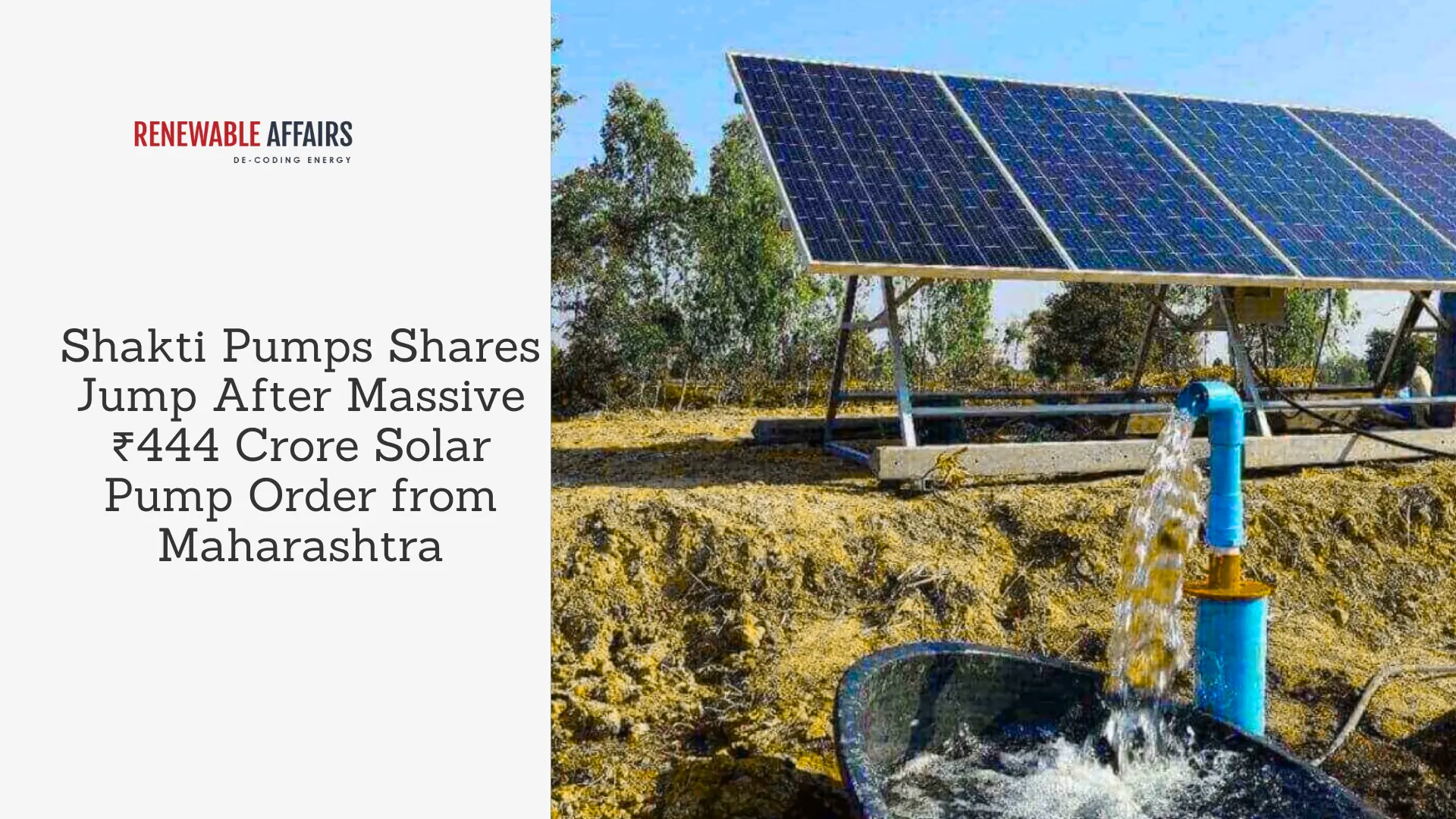
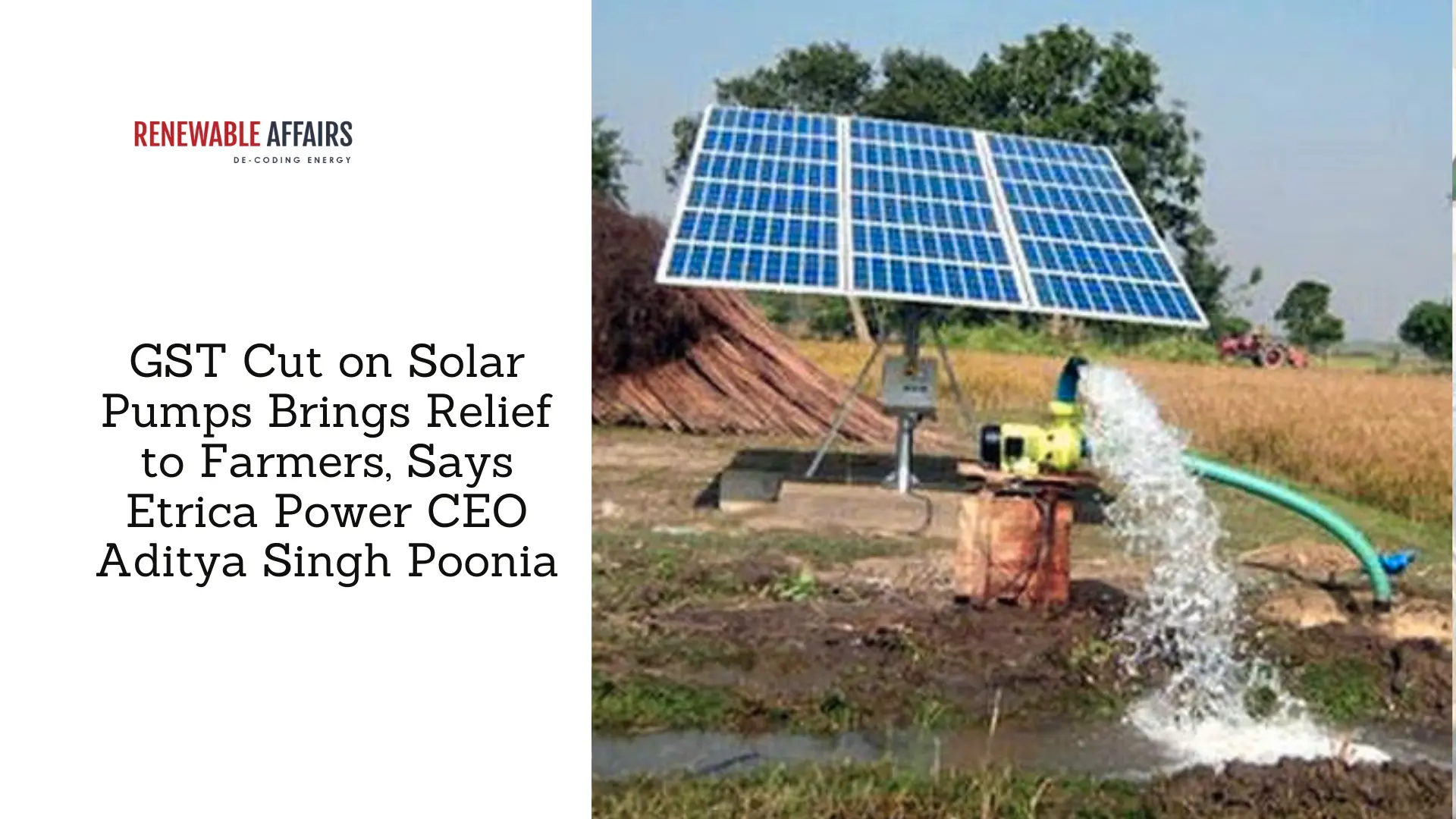
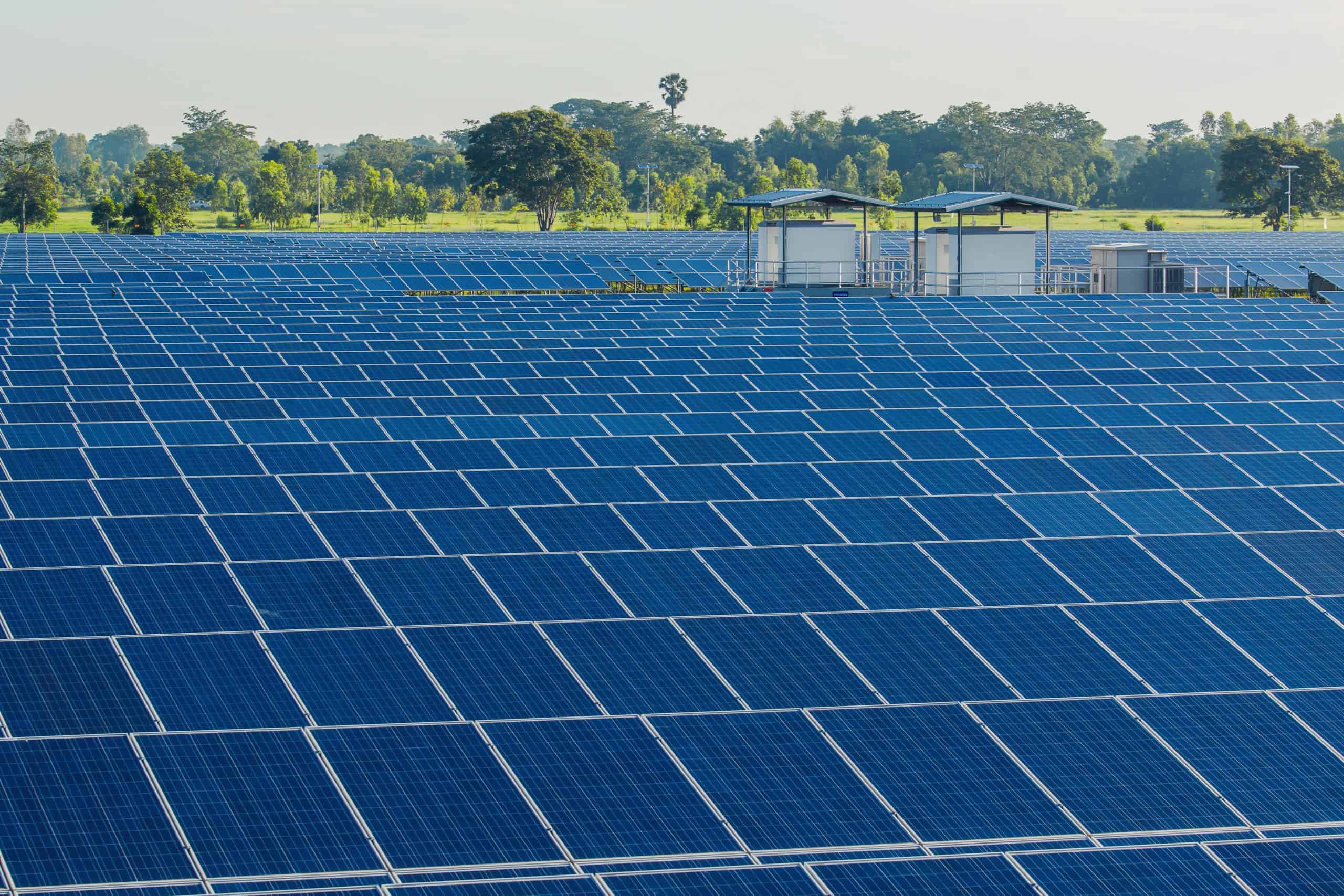
Maharashtra has achieved a massive clean-energy milestone: the state installed 45,911 off-grid solar agricultural pumps in just one month, and this achievement has now been officially recognised as a Guinness World Record. Vidarbha played a major role in helping the state reach this number.
This record marks a huge step in Maharashtra’s shift toward clean energy. It now becomes India’s fastest state to adopt solar-powered farming and ranks second in the world, just behind China, for the largest number of solar pumps installed by any region in such a short time.

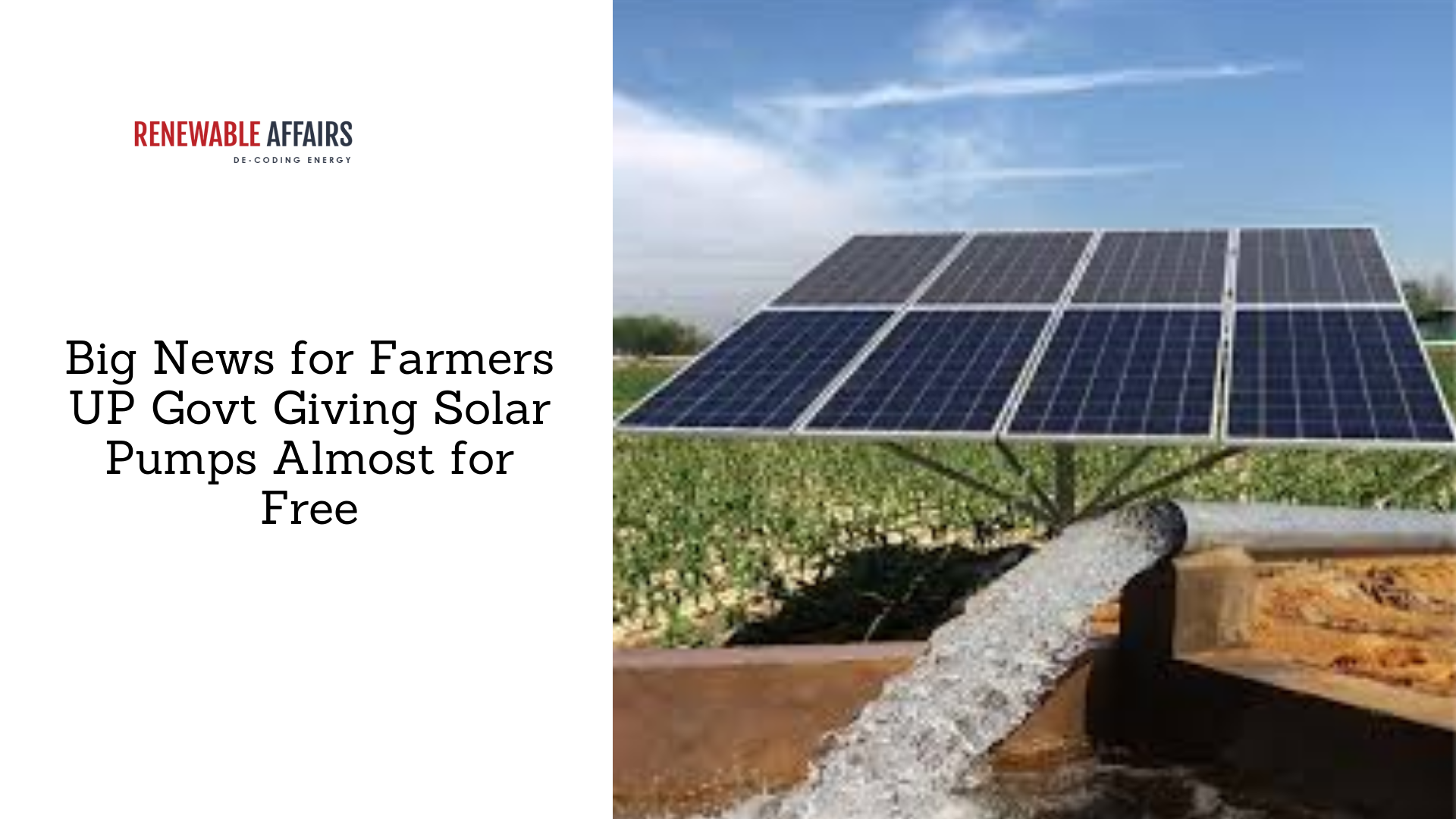
The record was made possible through the combined efforts of the PM-KUSUM scheme and the state’s own Magel Tyala Saur Krushi Pump Yojana, both implemented by MSEDCL (Maharashtra State Electricity Distribution Company Ltd.).
Chief Minister Devendra Fadnavis said the achievement supports PM Narendra Modi’s vision of promoting solar irrigation for farmers. He added that installing nearly 46,000 pumps in one month makes Maharashtra number one in solar agriculture, helping farmers get reliable irrigation, boost productivity, and reduce pressure on the electricity grid.
A strong operational strategy helped make this possible, from better planning and vendor management to quick grievance redressal. Solar pumps were prioritised for drought-affected regions to support water-stressed farmers.
Guinness World Records official Carl Saville visited Maharashtra to verify the achievement. He said the requirement for the record was 35,000 pumps, but Maharashtra went far beyond that with 45,911 verified installations.
The pumps were provided based on farm size:
- 3HP for up to 2.5 acres
- 5HP for up to 5 acres
- 7HP for larger farms
The state has also begun providing completely solar-based agricultural connections, giving farmers dependable daytime power without relying on the traditional electricity grid.
With over 7.47 lakh solar pumps already installed and a target of 10.45 lakh, Maharashtra is leading one of the world’s biggest renewable-energy transitions in agriculture. Officials say this model can be easily adopted by other Indian states and even by developing countries looking for sustainable irrigation solutions.
MSEDCL’s chairman, Lokesh Chandra, said the success comes from strong scheme design and strict accountability. The shift to solar-based agri connections especially helps small and marginal farmers get reliable power and higher benefits.
Source



























































































































































































































































0 Comments