
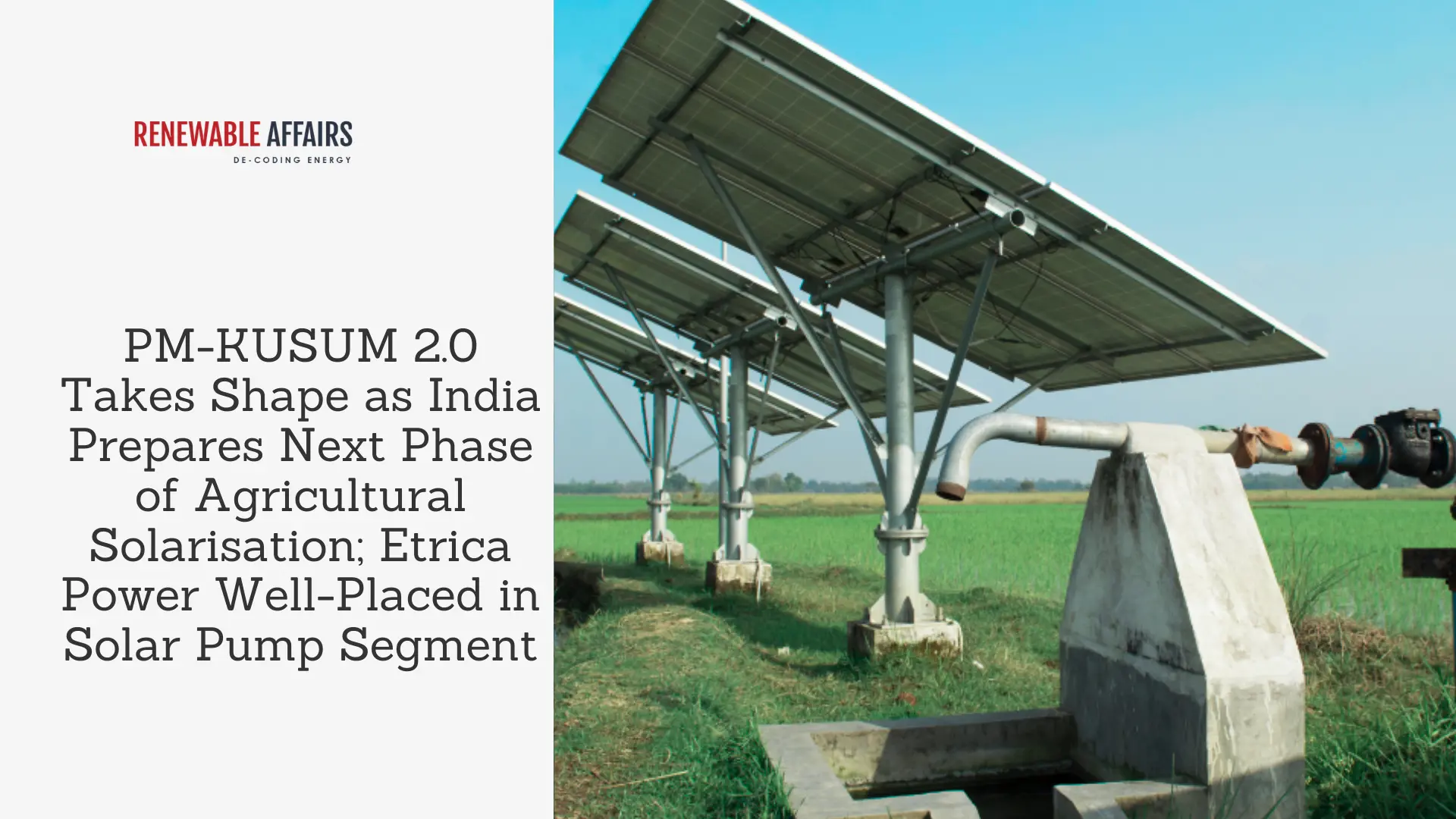
The Union government’s plans for PM-KUSUM 2.0 mark a significant step toward strengthening decentralised solar adoption in India’s agricultural sector. As policymakers prepare the successor to the Pradhan Mantri Kisan Urja Suraksha evam Utthaan Mahabhiyan, attention is increasingly turning to companies with established experience in on-ground implementation, particularly in the solar pump segment, where uptake has been comparatively strong.
The proposed PM-KUSUM 2.0 is expected to build on lessons from the current scheme, which has an approved outlay of ₹34,422 crore and targets nearly 34.8 GW of decentralised solar capacity by March 2026.
While more than 10 GW has already been installed, challenges such as delayed discom payments, uneven state-level execution, and financing constraints for farmers have highlighted the need for a more streamlined framework in the next phase.
Solar Pumps Continue to Play a Main Role
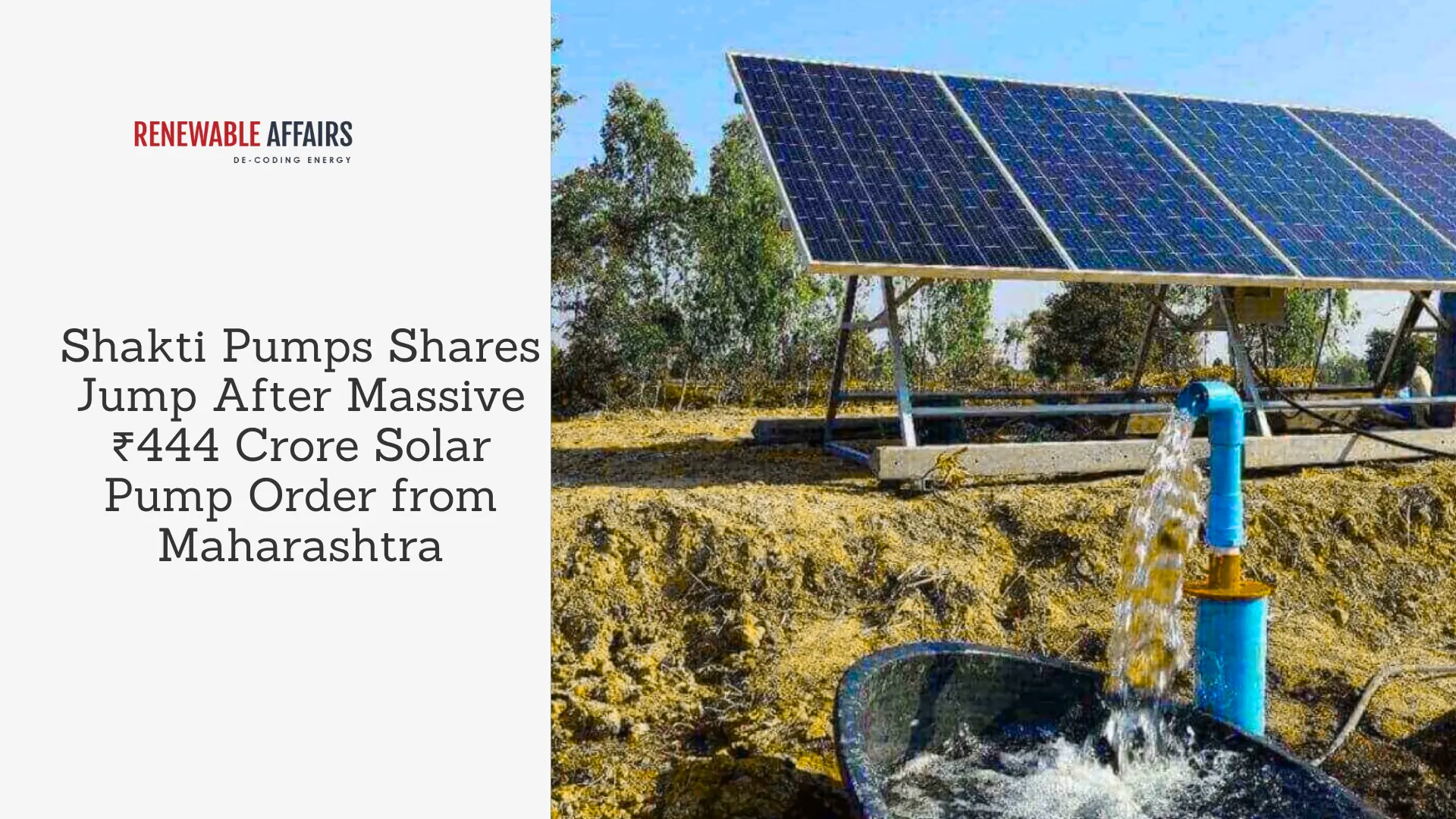
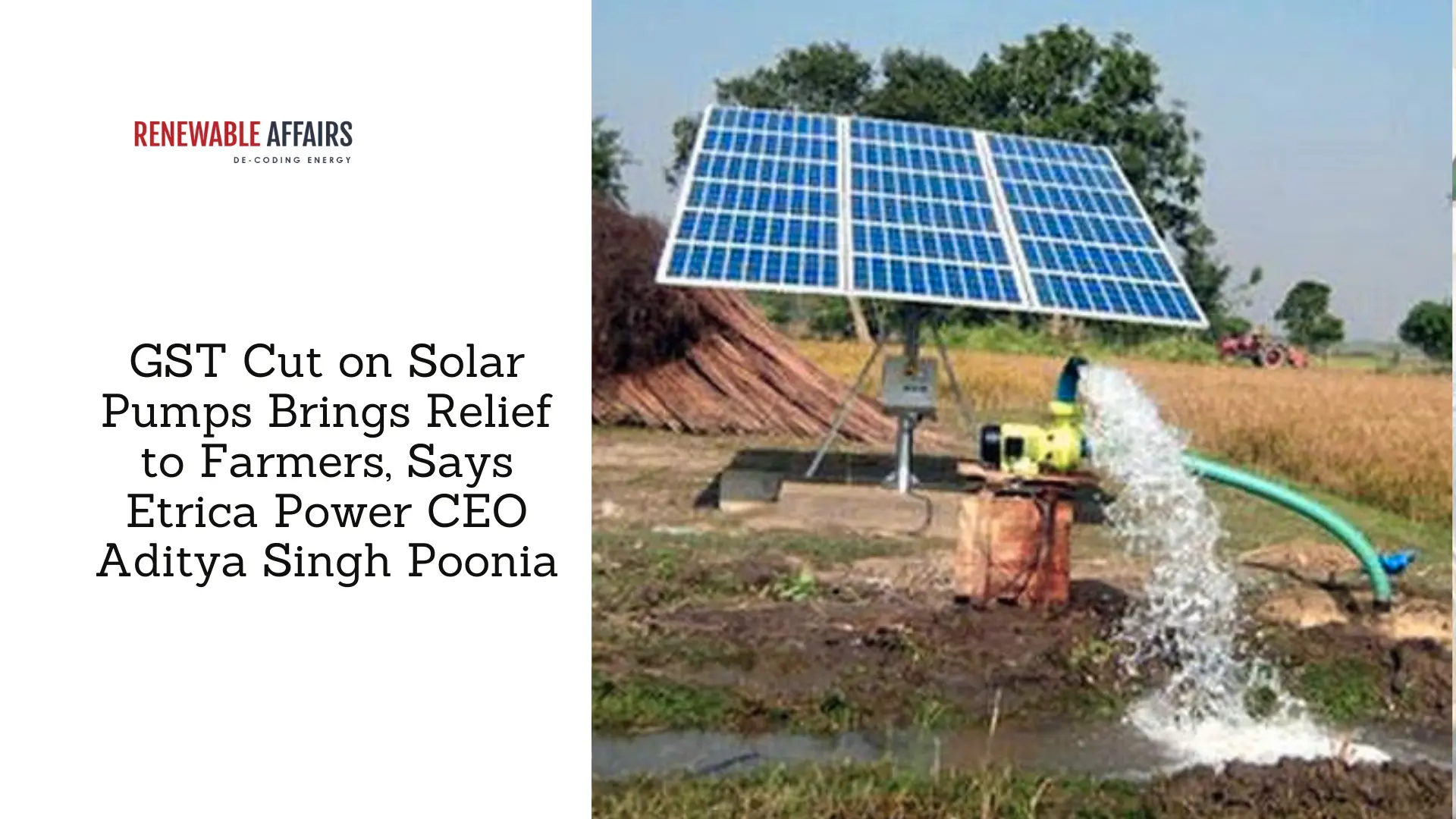
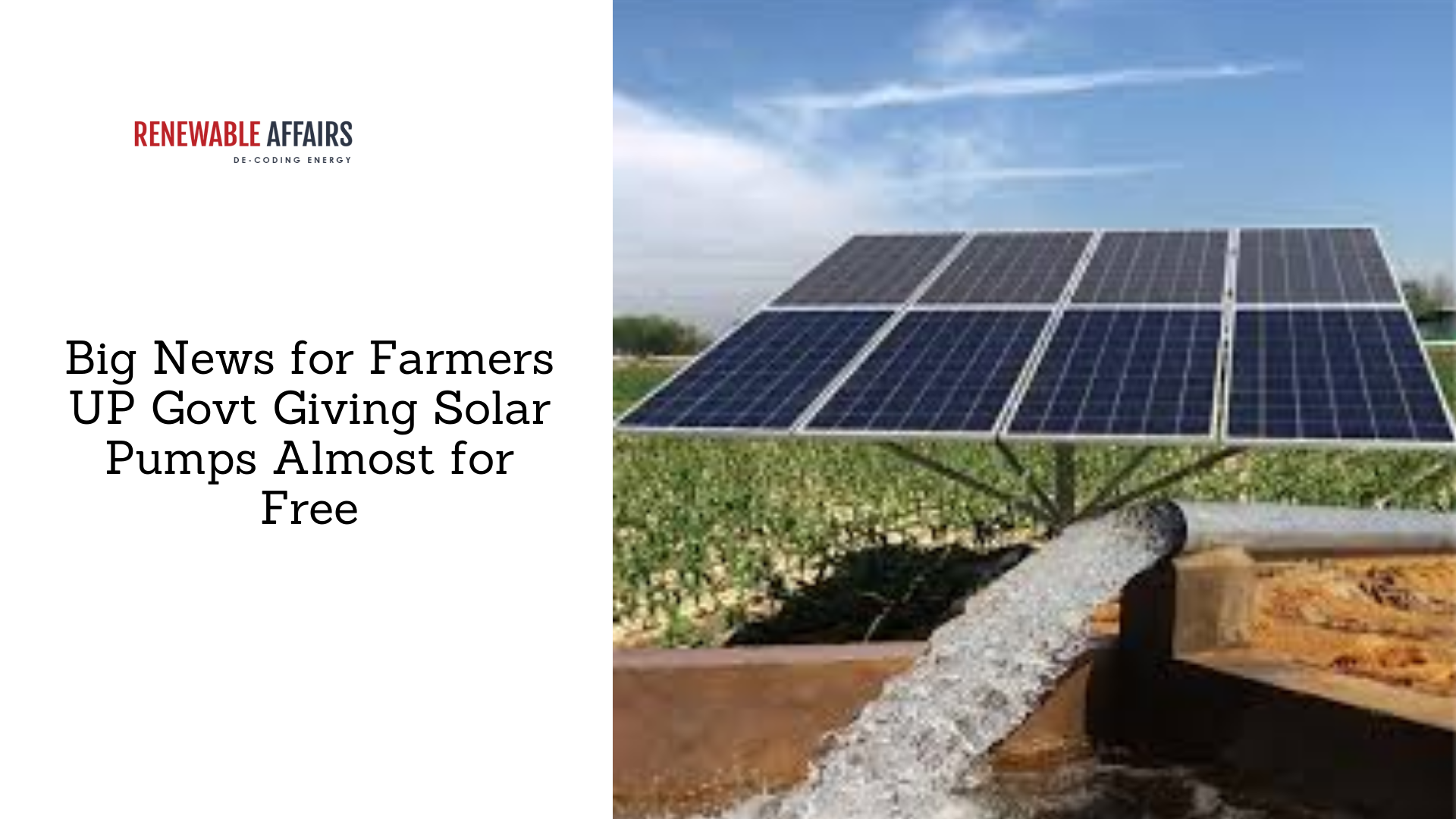
Despite implementation hurdles across components, standalone solar pumps (Component B) have witnessed relatively better adoption, particularly in states with high solar potential and inconsistent grid supply. Gujarat and Rajasthan remain among the leading states in this segment, driven by favourable irradiation, state support mechanisms, and farmer demand for reliable daytime power.
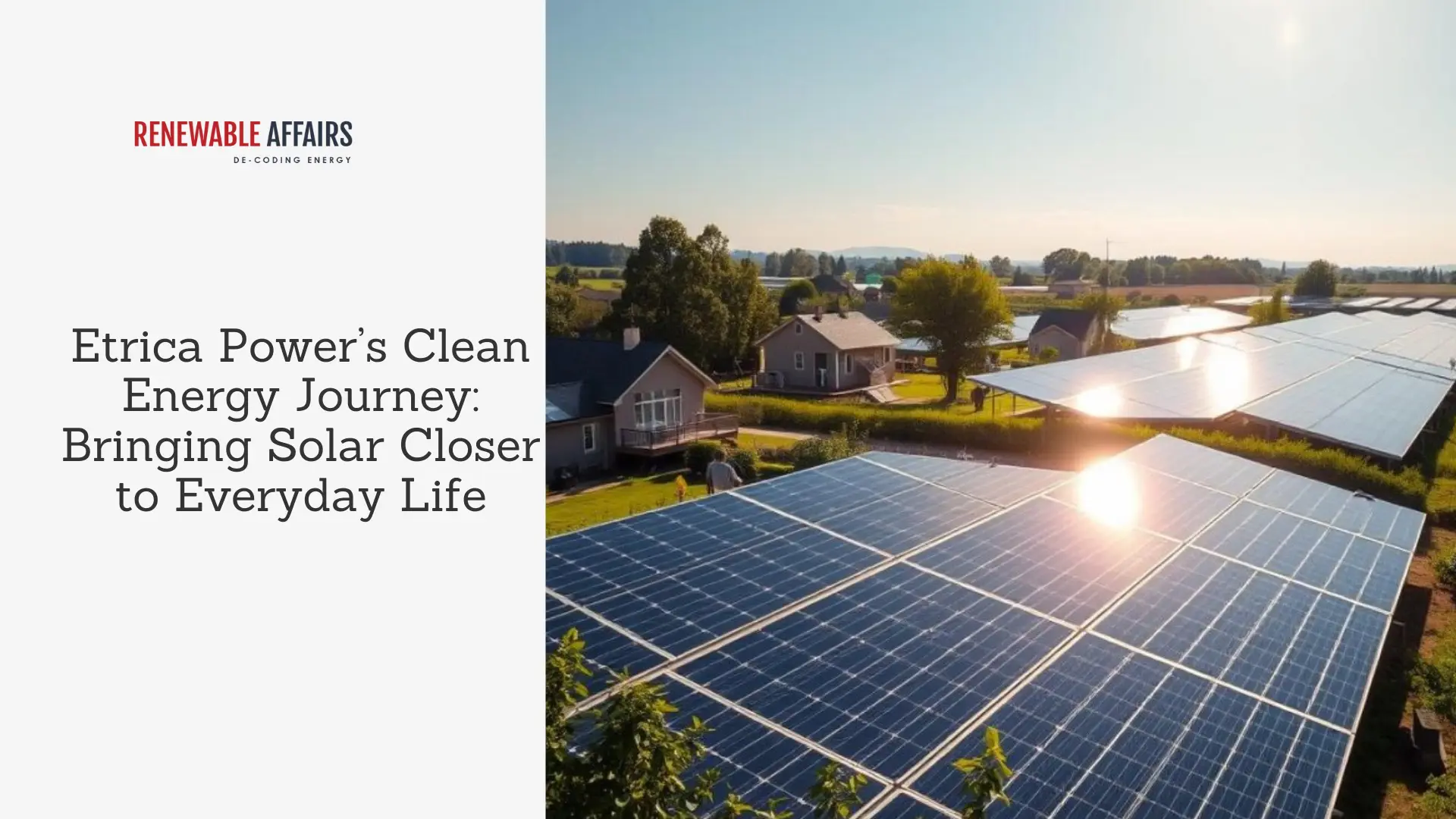
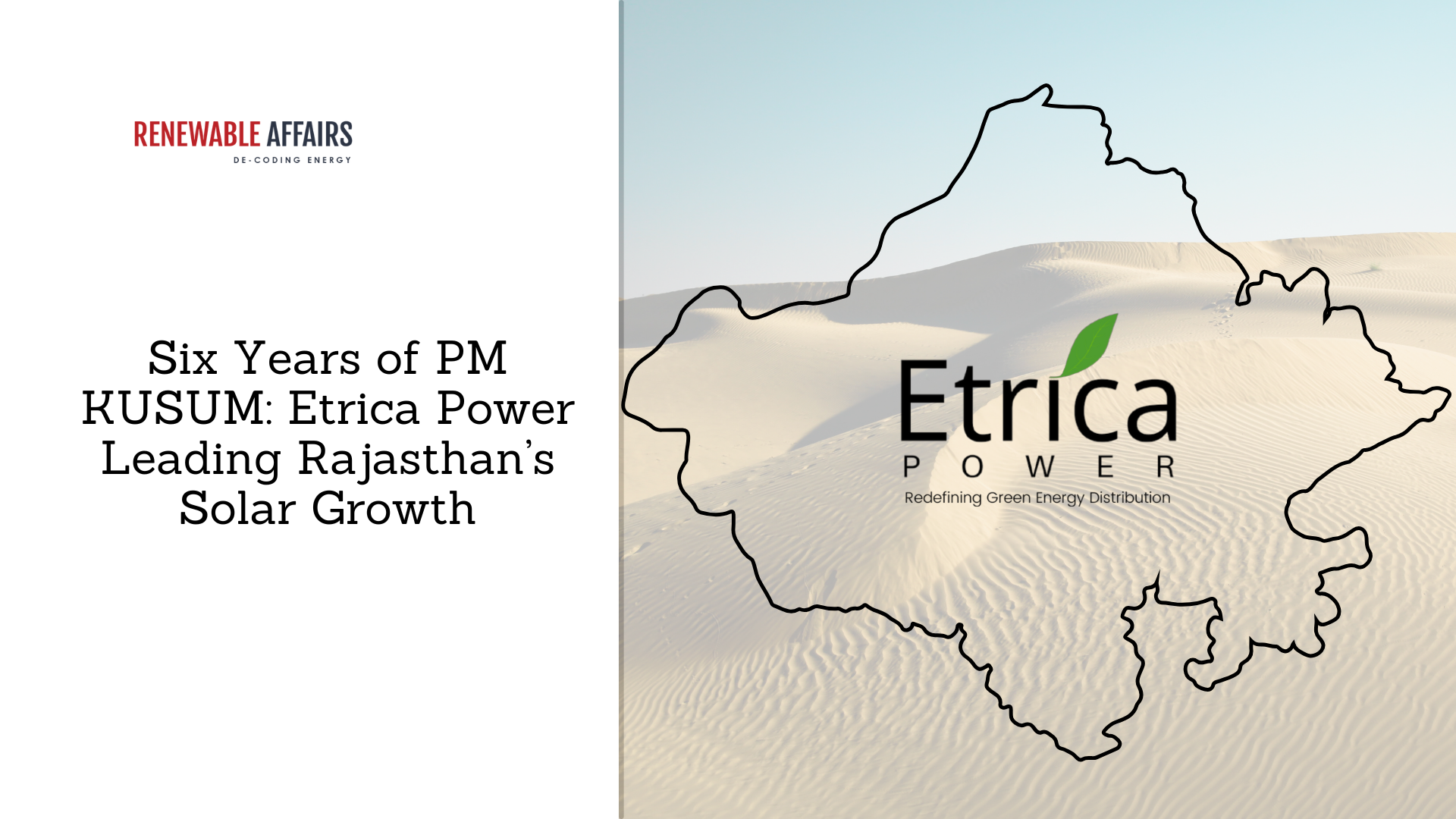
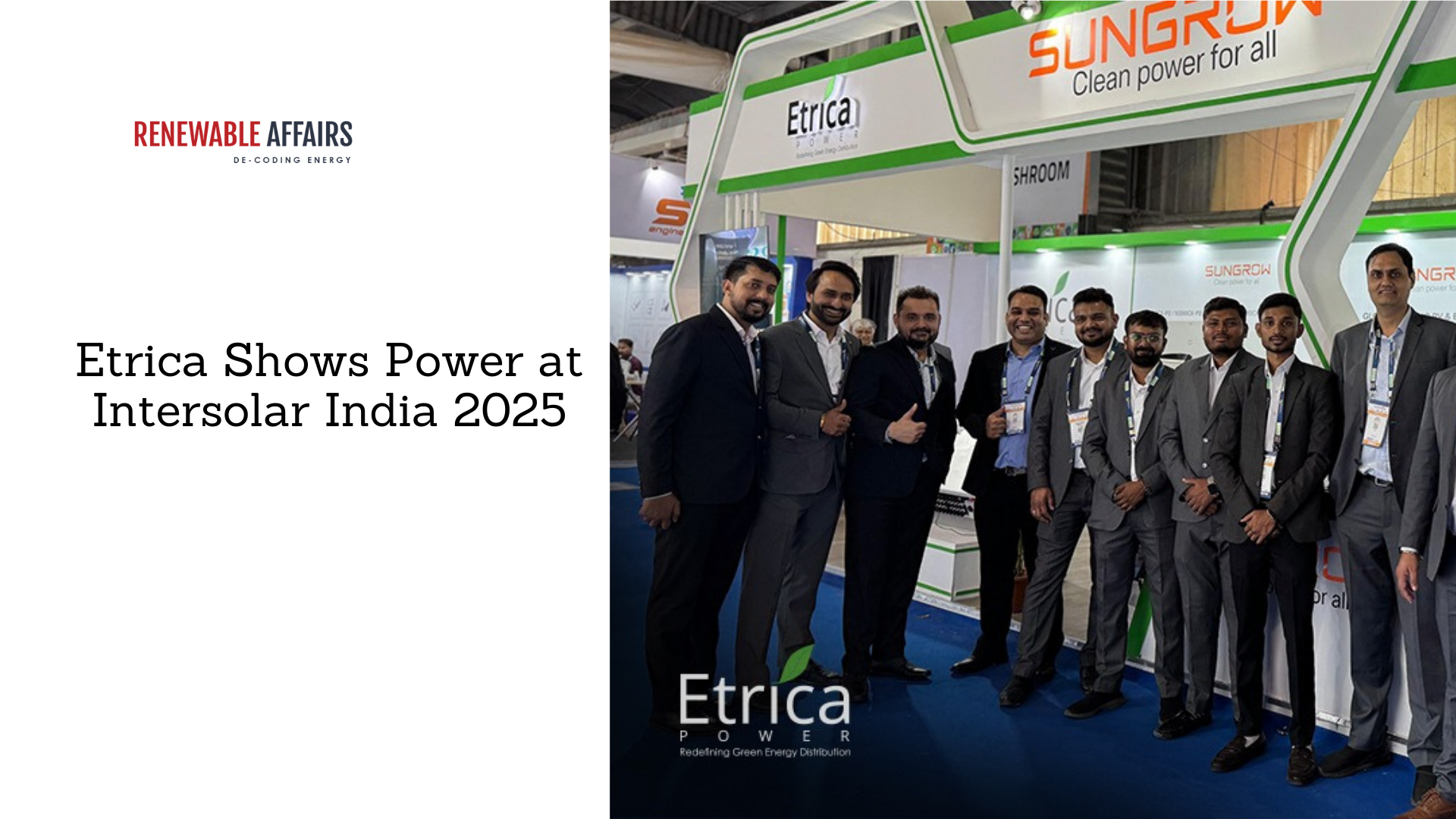
In this context, Etrica Power has been actively engaged in deploying solar pump solutions across both states. The company’s work aligns with PM-KUSUM’s core objective of reducing dependence on diesel and grid electricity for irrigation while offering farmers a predictable and cost-efficient power source. Industry observers note that such decentralised pump installations have delivered tangible benefits in arid and semi-arid regions, where feeder-level solarisation may take longer to scale.
Alignment with PM-KUSUM 2.0 Priorities
Government officials are saying that in PM-KUSUM 2.0, they will focus more on feeder-level solarisation, which is Component C. This should help reduce the subsidy load on discoms and also make sure farmers get steady power for agriculture. It seems like that part is getting a bigger push now.
Standalone solar pumps, though, are not going away, especially in those remote spots where the grid is not reliable at all. That makes sense, kind of, because not everywhere has good connectivity yet.
Then there are companies like Etrica Power that have done solar irrigation projects before. They might get more chances with this new setup. The government wants to make projects better in terms of bankability and secure payments. Plus, easier access to cheaper finance, maybe through something like the Agri Infrastructure Fund. I am not totally sure how all that ties together exactly, but it sounds promising for those firms.
Looking Ahead
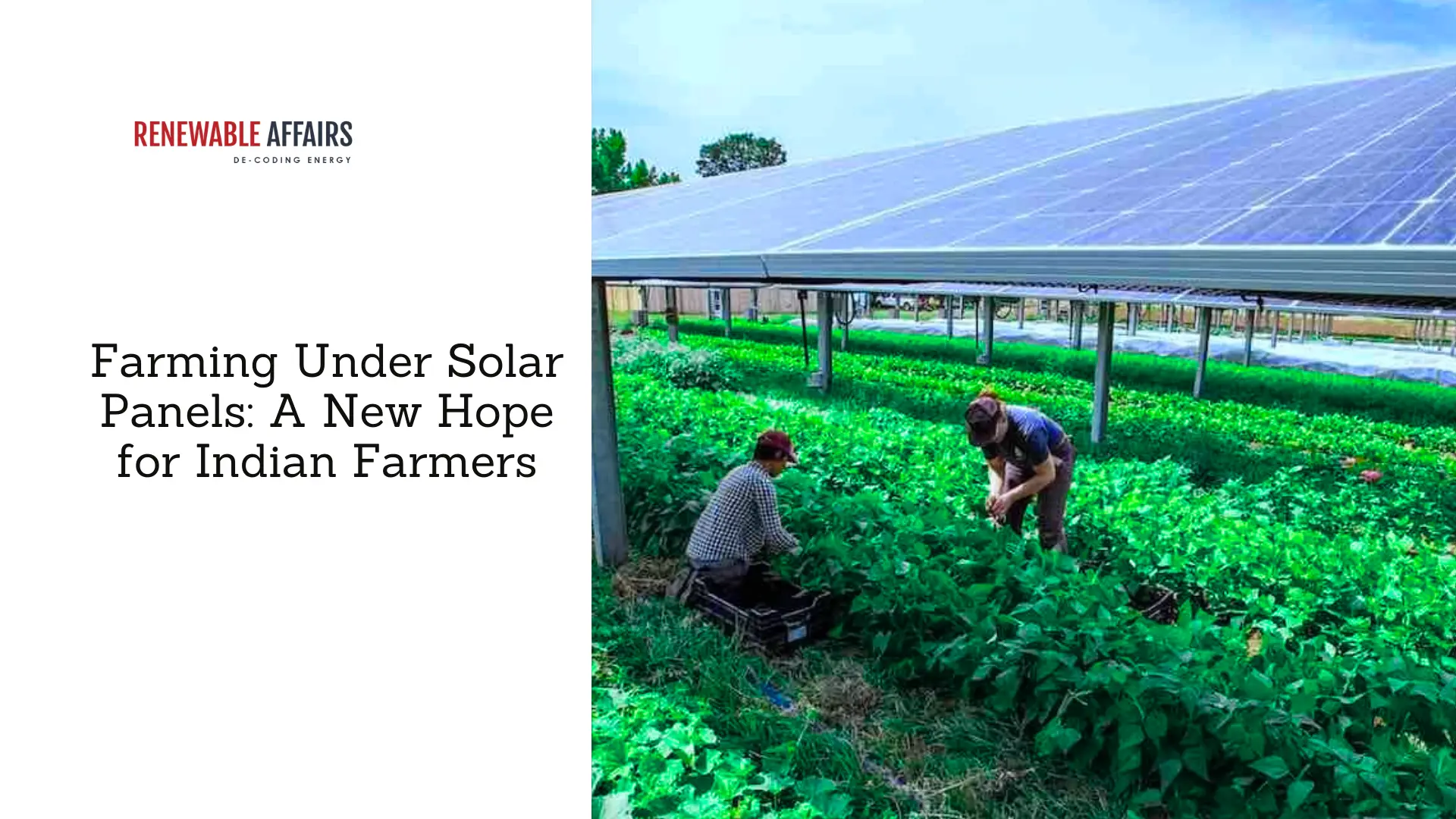
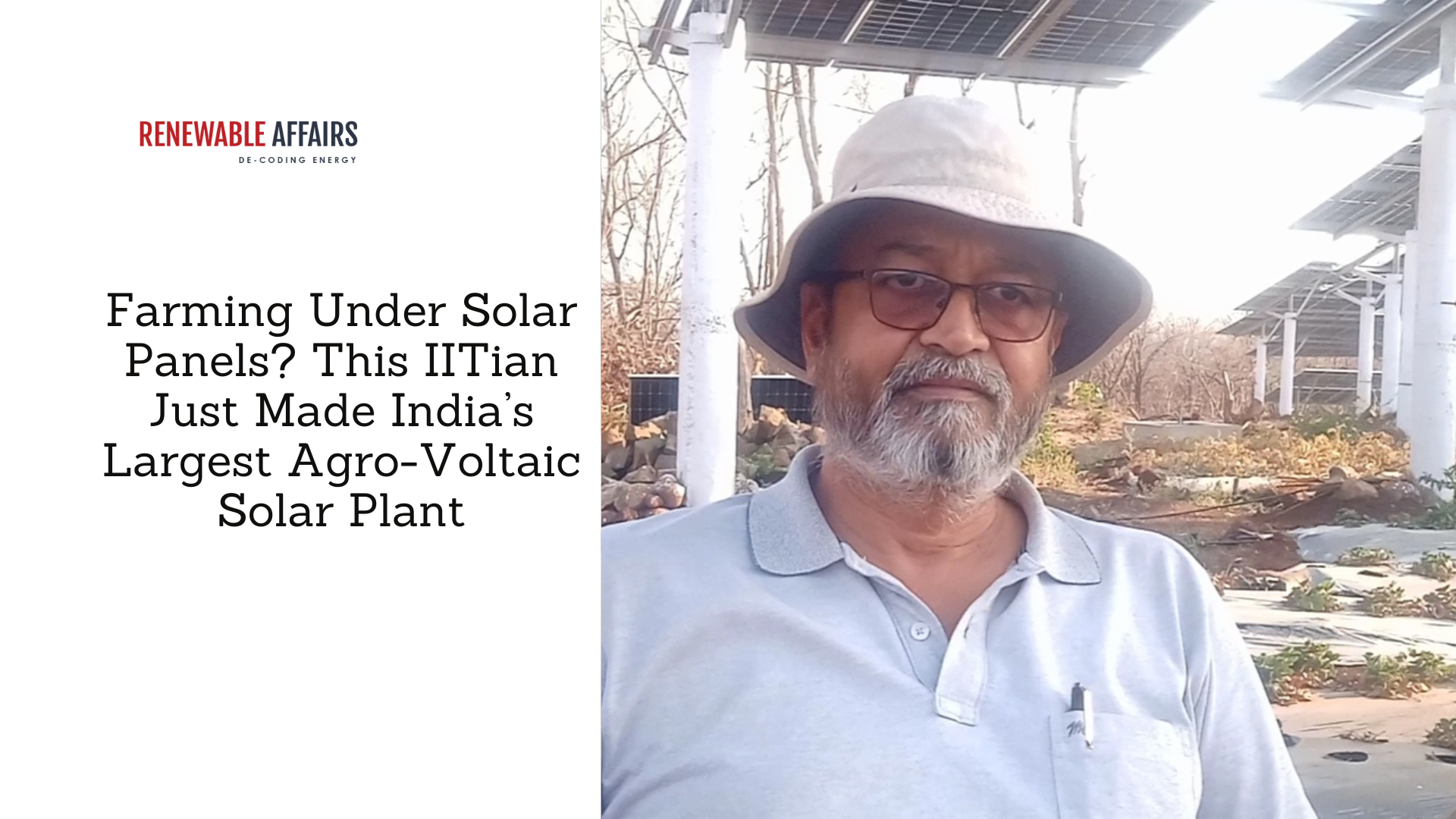
PM-KUSUM 2.0 is expected to encourage increased private sector participation, improved state-level coordination, and the adoption of innovative models such as agro-photovoltaics to address land constraints. For the renewable energy ecosystem, the next phase could unlock fresh opportunities across solar pump manufacturing, EPC services, and rural energy infrastructure.
As India advances its agricultural solarisation agenda, players with proven capabilities in decentralised solar deployment, particularly in high-priority states like Gujarat and Rajasthan, are set to play a critical role in translating policy intent into on-ground impact.



























































































































































































































































0 Comments