
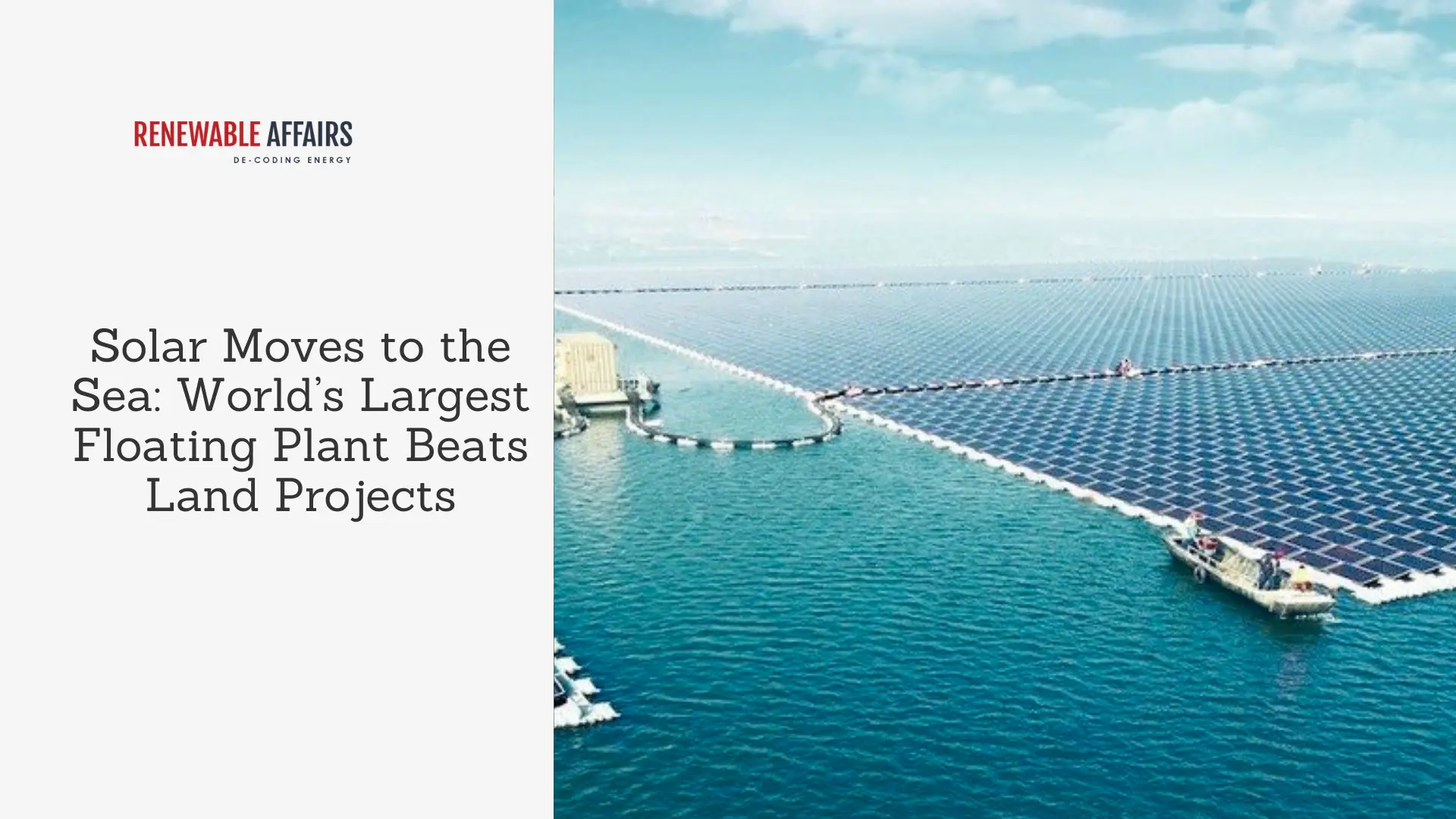
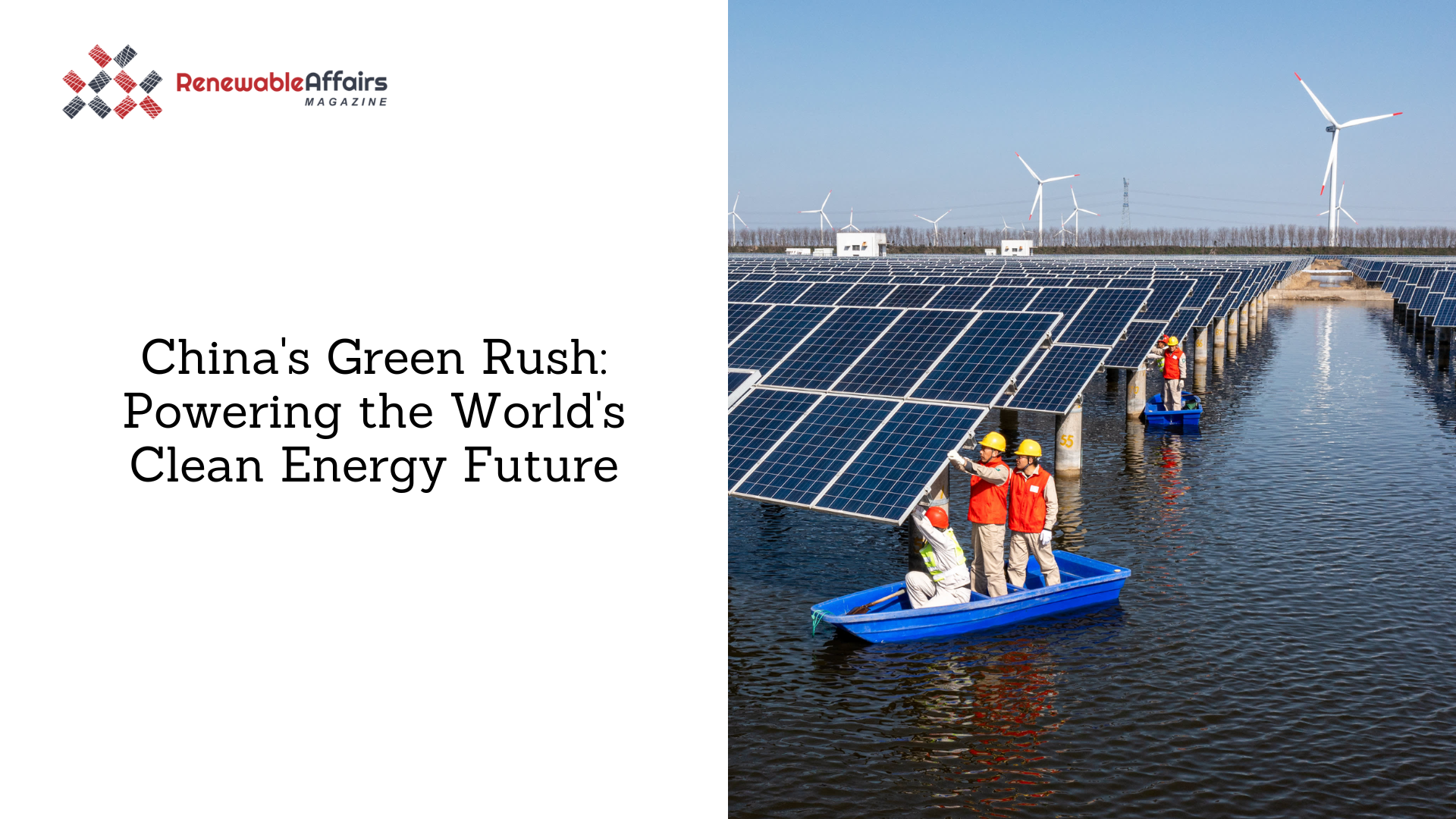
China has taken solar power to the open sea by building the world’s largest floating solar plant, and it’s already changing how renewable energy can be deployed where land is scarce.
The massive project, called HG14, is located about 8 km off the coast of Dongying in Shandong province. It became fully connected to the grid in December 2025. Developed by Guohua Investment, a subsidiary of China Energy Investment Corporation, this offshore solar plant spreads across 1,223 hectares of shallow seawater.

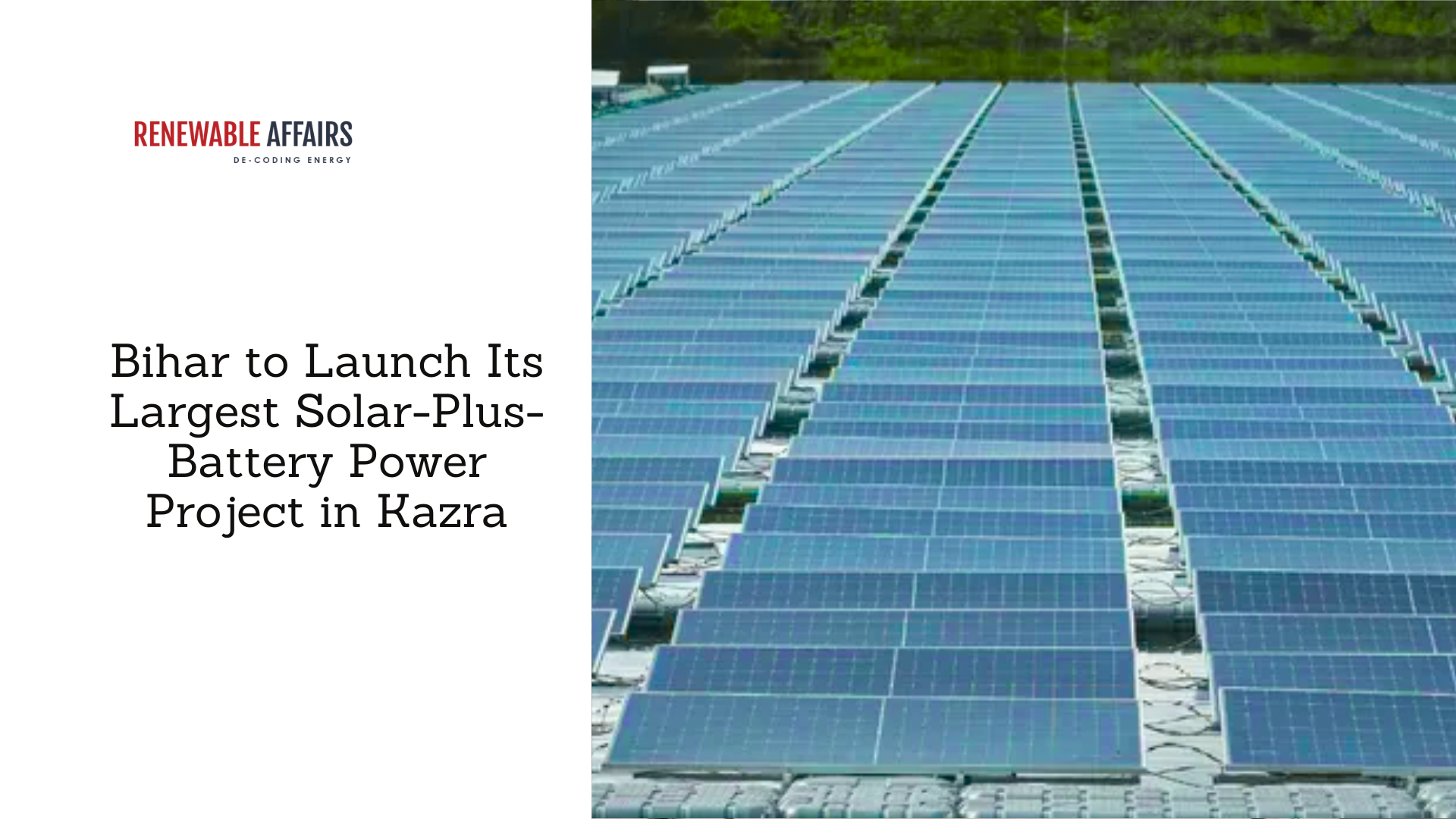
Unlike floating solar plants built on lakes, the HG14 project uses around 3,000 strong steel platforms that are firmly fixed to the seabed. These platforms are held in place with thousands of piles, allowing the system to handle rough sea conditions like strong winds, high waves, changing tides, and even ice during winter.
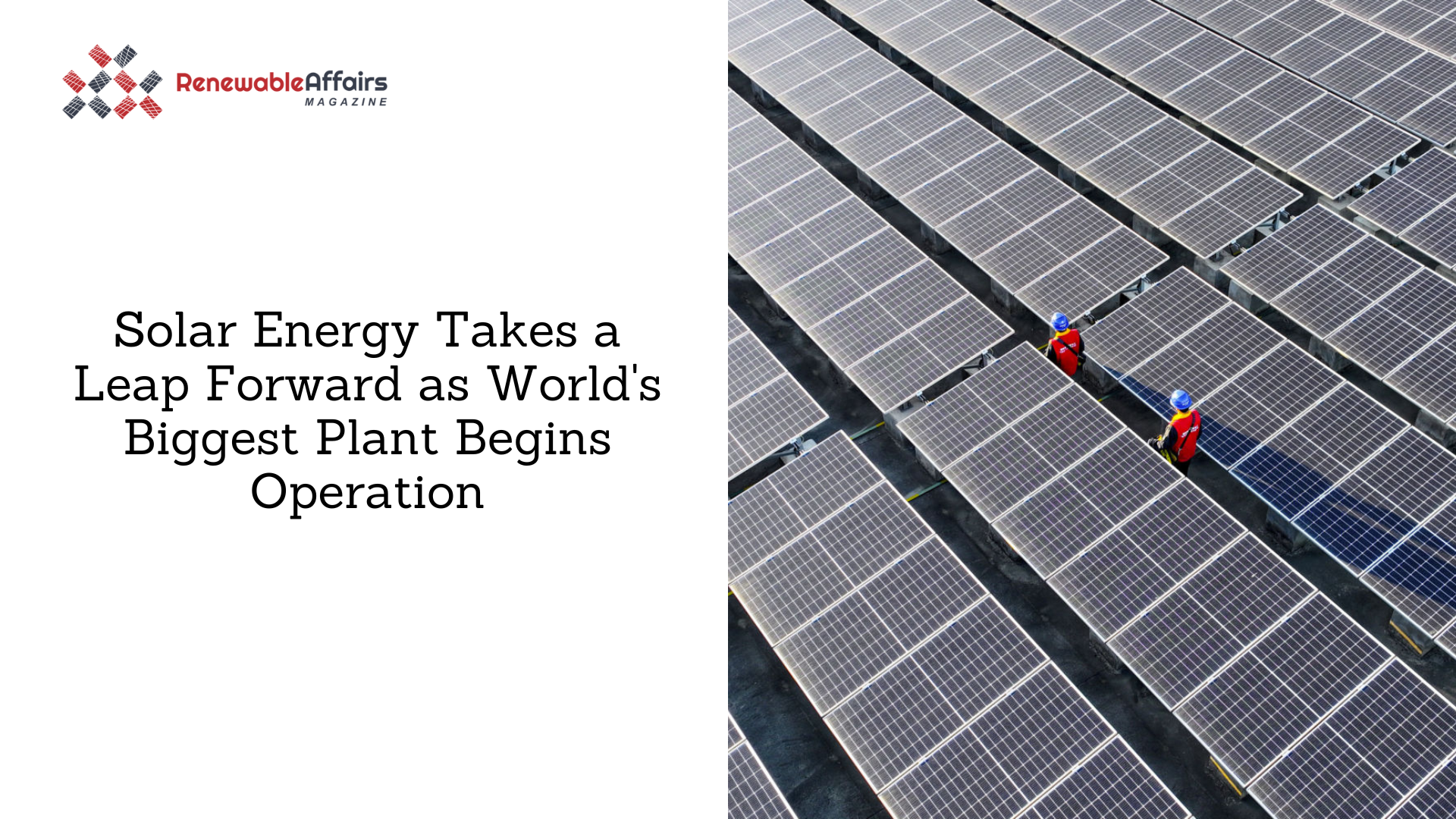
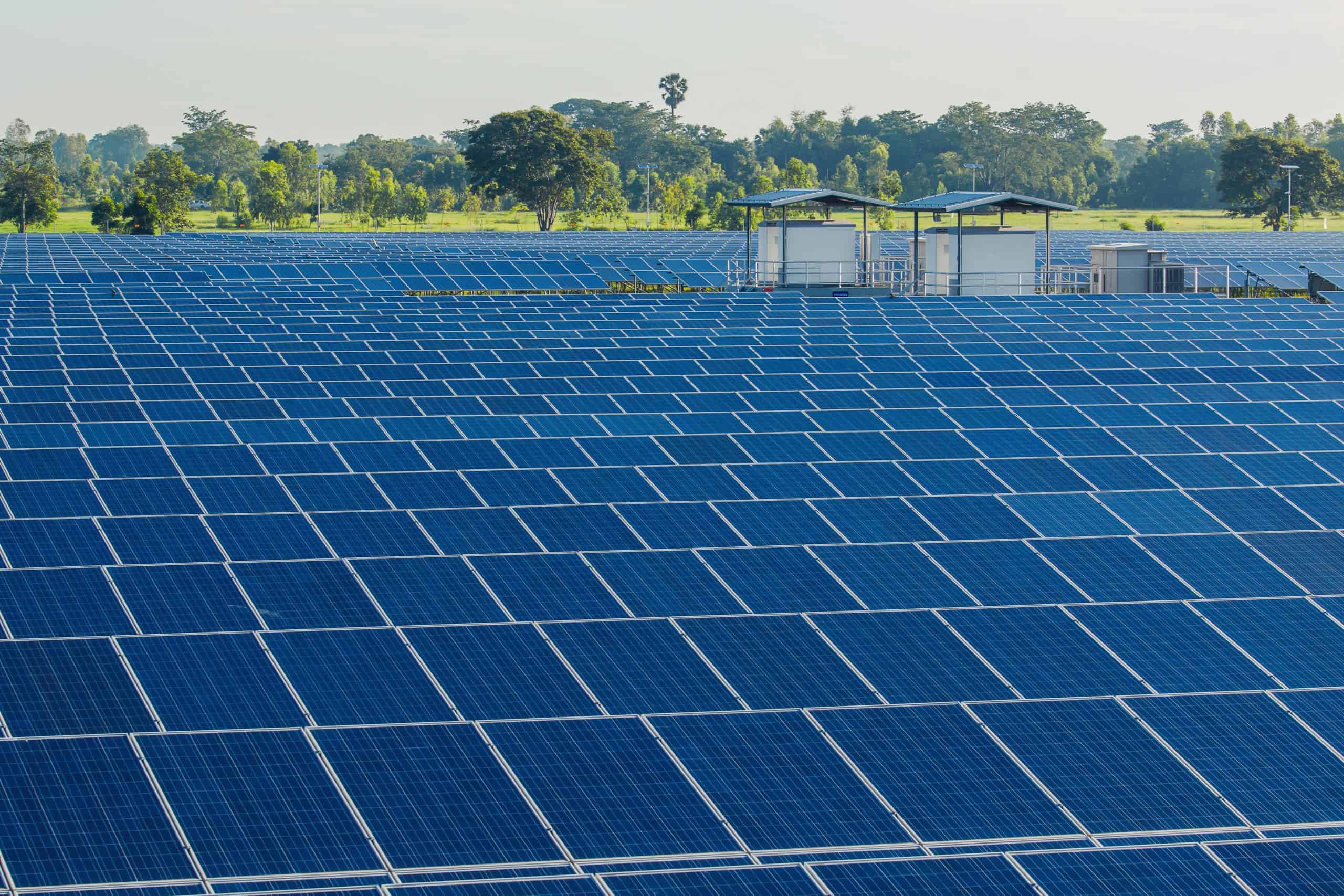
More than 2.3 million solar panels are installed on these platforms. Thanks to cooling from sea air and extra sunlight reflected from the water, the panels generate 5–15% more electricity than similar solar systems built on land.
The electricity produced offshore is sent to land through undersea power cables and then distributed via a land-based power station. A large battery energy storage system is installed alongside the project to store excess power and release it when demand is high. This improves usable energy by about 20% and cuts overall costs by nearly 15%.
Built at an estimated cost of $1.2 billion, HG14 is China’s first gigawatt-scale offshore solar project approved under a special policy that allows the use of sea space without affecting farmland. Once operating at full capacity, the plant is expected to generate enough electricity to power around 2.6 million homes every year. This will meet most of the energy needs of the nearby district.
The project shows how China is increasingly turning to floating solar power to expand clean energy without using land. Even though challenges like sea maintenance and protecting marine life still exist, the HG14 project proves that offshore solar can produce more power efficiently and at a large scale.
As China works toward its goal of peaking carbon emissions by 2030, projects like this are not just adding capacity; they’re redefining where and how solar power can be built, offering a model that other countries with limited land may soon follow.
Source







































































































































































































































0 Comments